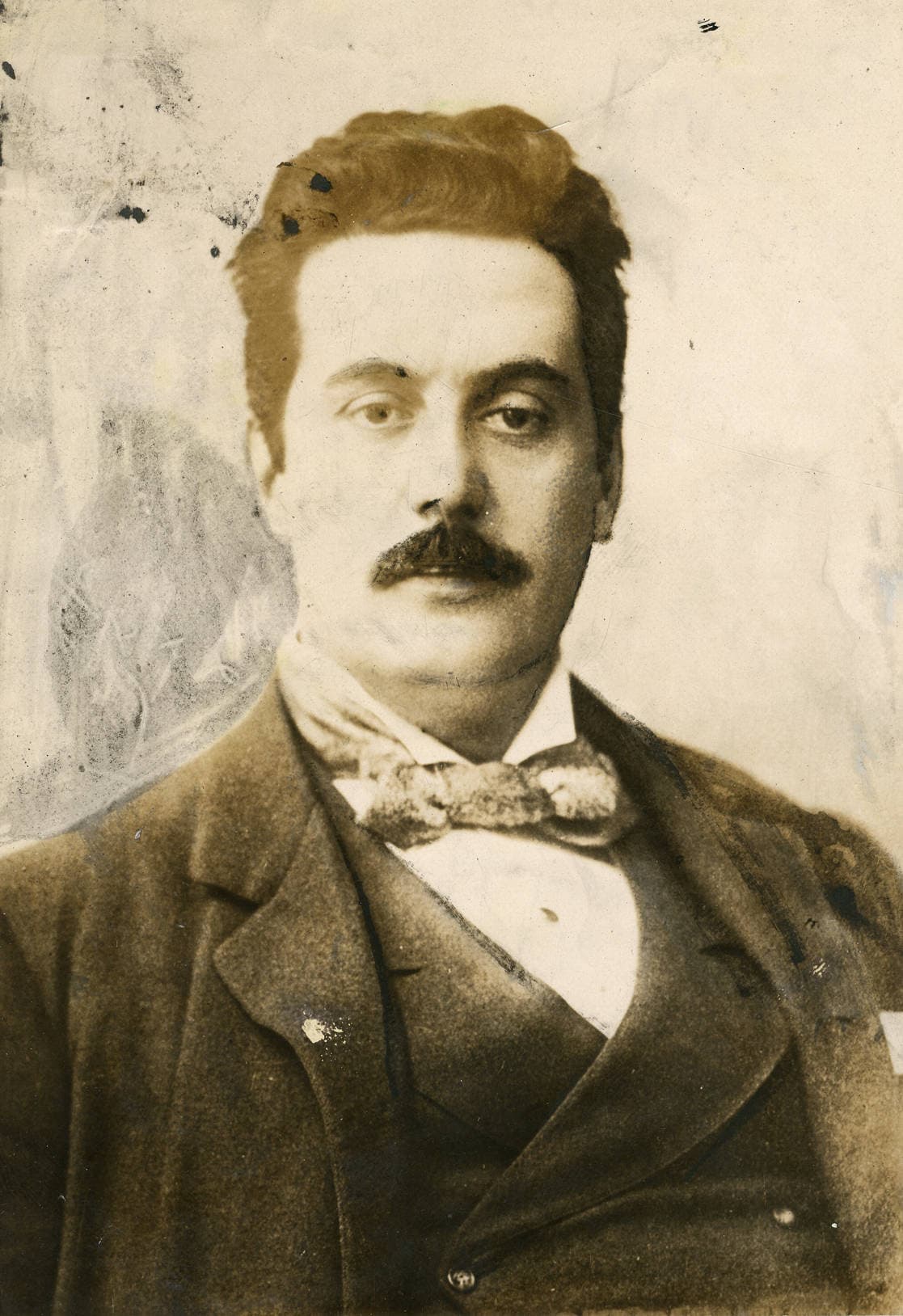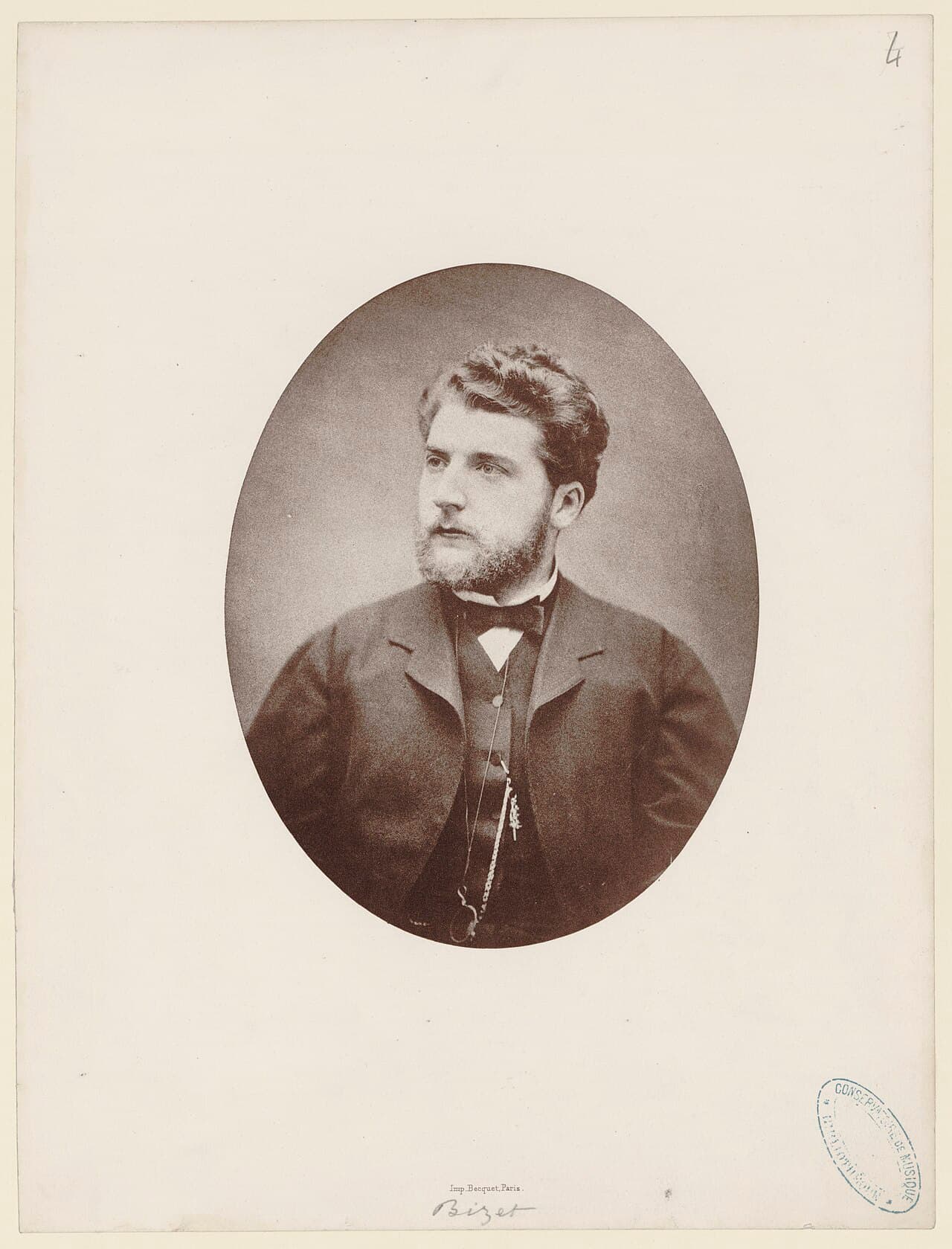
There is a melody you have heard hundreds of times without ever choosing to. It has been in commercials, cartoons, films, and phone ringtones; it plays in your head the instant someone says the word "opera." It is the Habanera from Georges Bizet's Carmen, the song a dangerous, free-spirited woman sings when she first walks on stage, and here is the cruelest fact about it: the man who wrote it went to his grave, at 36, believing the opera it comes from was a disaster.
What you're listening to
Carmen is set in Seville, and the Habanera is the entrance of its heroine. A crowd of soldiers is idling in a square when Carmen, a fiercely independent woman who works in a cigarette factory, comes out and is asked when she will love someone. Her answer is the Habanera: "L'amour est un oiseau rebelle," "Love is a rebellious bird that no one can tame." Over a slow, swaying rhythm, she lays out her entire philosophy: love obeys no rules, cannot be commanded, and comes only when it pleases, and if she loves you, she warns with a smile, you had better watch out. In three minutes, before the plot has really begun, you understand exactly who she is and exactly how the story will end.
What makes it special
The tune is unforgettable by design. The melody slides downward, chromatically, coiling around itself like something being tamed and refusing to be. It is seductive and slightly menacing at once, which is the whole character in sound. Once heard, it does not leave.
It is a Cuban dance in Spanish disguise. The rhythm is a habanera, a dance from Havana, and Bizet took the tune from a song by the composer Sebastián Yradier, believing it to be an anonymous folk melody. When he learned it had an author, he added a credit. So opera's definitive image of fiery Spain is built on a Cuban dance rhythm, arranged by a Frenchman who had never been to Spain.
It made a heroine out of a scandal. Carmen is not a victim or a saint. She is a poor working woman who sleeps with whom she likes, answers to no man, and would rather die than be owned. In 1875 this was genuinely shocking, and it is a large part of why audiences and critics recoiled. It is also why the character has never gone out of date.
The story behind it
The premiere of Carmen in Paris in March 1875 was, by the standards Bizet cared about, a failure. The respectable audience was scandalized by its heroine, a woman of loose morals who is stabbed to death on stage at the end, and by the mixing of such rawness into the polite genre of comic opera. The reviews were largely cold or hostile. Bizet, who had struggled for recognition his whole career and had poured everything into this work, was devastated. He believed he had produced a fiasco.
Three months later, on the night of what happened to be the opera's thirty-third performance, Bizet died of a heart attack, aged 36. He never knew. Within a few years Carmen was being performed across Europe to adoring crowds; Tchaikovsky predicted it would become the most popular opera in the world, and he was nearly right. Composers from Brahms to Wagner admired it; it is now among the most staged operas in existence, performed somewhere on Earth almost every night. The Habanera he wrote for his scandalous heroine outlived his despair by a century and a half, and he died without a hint of it coming.
One detail most people miss
Listen to the chorus behind Carmen. As she sings her warning that love is wild and dangerous, the crowd of soldiers and townspeople echoes her, repeating her words back, "prends garde à toi," "watch out for yourself." They think they are joining a charming song. They are actually chanting the plot: every one of them, and especially the soldier who will fall for her, is being told, in advance, exactly how this ends, and they sing it cheerfully anyway. The most famous seduction in opera comes with its own warning label, and everyone ignores it, which is, of course, the entire point of the story.
How to listen
Press play above for a full staged Habanera from the Royal Opera. Three minutes. Watch how the singer uses the crowd, and listen for the downward slink of the melody. Then remember that the man who wrote this died sure he had wasted his life, and let that sit for a moment against how completely, permanently you already knew the tune.