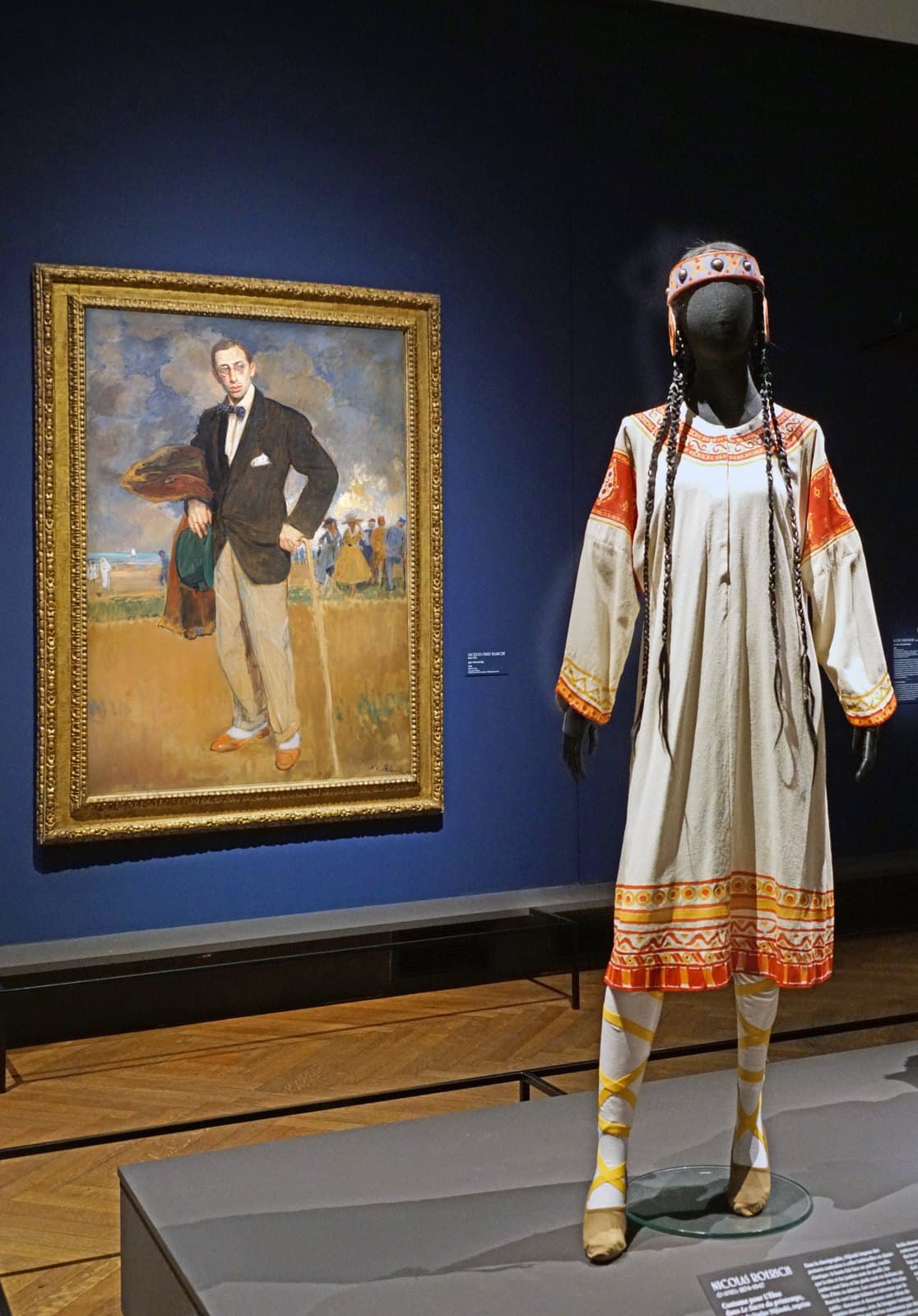
On the evening of May 29, 1913, in a brand-new Paris theater, the most famous riot in the history of art broke out over a ballet about spring. Within minutes of the curtain rising, the audience was booing, laughing, and shouting. Rival factions began to fight in the aisles. The noise grew so loud that the dancers on stage could no longer hear the orchestra, so the choreographer, Vaslav Nijinsky, stood on a chair in the wings and screamed the counts at them while the composer, Igor Stravinsky, held him by his coat. Police arrived at intermission. And a thirty-minute piece of music that people were physically fighting over became, within a decade, one of the most influential works of the twentieth century.
What you're watching and hearing
The Rite of Spring is a ballet subtitled "Pictures of Pagan Russia." Its story is brutal and simple: in an ancient tribe, elders gather to worship the spring, and a young girl is chosen as a sacrifice. To make the earth fertile again, she must dance, alone, without stopping, until she drops dead. Stravinsky's score is a machine of pounding, irregular rhythms and grinding, clashing chords, opening with a bassoon playing so high it sounds strangled, like an instrument being asked to do something unnatural. Nijinsky's choreography matched it: instead of the light, turned-out grace of classical ballet, the dancers stamped, hunched, turned their feet inward, and moved like people possessed. It was, deliberately, the opposite of everything a Paris audience thought dance was supposed to be.
What makes it special
It broke rhythm open. Western music had mostly moved in steady, countable beats. Stravinsky wrote music that lurched and stamped in constantly shifting meters, so you cannot tap your foot to it. That single innovation echoes through a century of music, from film scores to jazz to heavy metal.
The riot was the point, even if no one planned it. The scandal made The Rite of Spring instantly legendary. Nobody remembers the safe, pretty ballets that shared the season. Everyone remembers the one that caused a fistfight, and it earned that memory by genuinely sounding like nothing anyone had heard.
It won. The choreography was lost within a year and the ballet almost never staged as Nijinsky made it. But the music detached from the dance, entered concert halls, and conquered. Within twenty years the piece that provoked a riot was a symphonic showpiece. Disney put it in Fantasia. The audience that booed had simply arrived before the rest of the century did.
The story behind it
It helps to know how fragile the whole thing was. Nijinsky was the most famous male dancer alive but a first-time choreographer, and he built movements so difficult and so strange that the company nearly rebelled during rehearsals; they ran far over the planned number of sessions. Stravinsky, only thirty, was writing music his own players found baffling. The impresario Sergei Diaghilev, who ran the Ballets Russes, may not have entirely minded the scandal: outrage sold tickets, and he knew it.
What exactly set the riot off is still debated. Some blamed the music, some the ugliness of the choreography, some say the fighting started between sophisticated patrons who wanted to hear it and traditionalists who wanted it stopped. Stravinsky, decades later, remembered fleeing backstage in a fury. Whatever the trigger, the result was the same: the work became a symbol, the night everything polite about European art cracked and the modern century poured through.
One detail most people miss
Listen to the final section, the Sacrificial Dance. The chosen girl dances herself to death in music of almost unbearable, jerking violence, the orchestra hammering in rhythms that refuse to settle. Stravinsky said he did not fully know how to write it down; he could hear it and play it, but the meter kept shifting under his hands, and he had to invent the notation as he went. The most primitive-sounding music in the repertoire was, on paper, one of the hardest things anyone had ever tried to write. The riot was over what sounded like chaos. It was, in fact, chaos engineered to the last sixteenth note.
How to watch
Press play above for the music that started it all. It runs about half an hour; give the last five minutes, the Sacrificial Dance, your full attention. Then remember that people once threw punches over it, and ask yourself what art today might be getting the same treatment.