Three slow chords, swaying like something suspended. Above them, a melody appears: unhurried, a little melancholy, wandering as if it has all evening. Nothing builds. Nothing climaxes. Three and a half minutes later it simply sets, like light leaving a room. In 1888 this was borderline scandalous: music was supposed to go somewhere. This music prefers to stay.
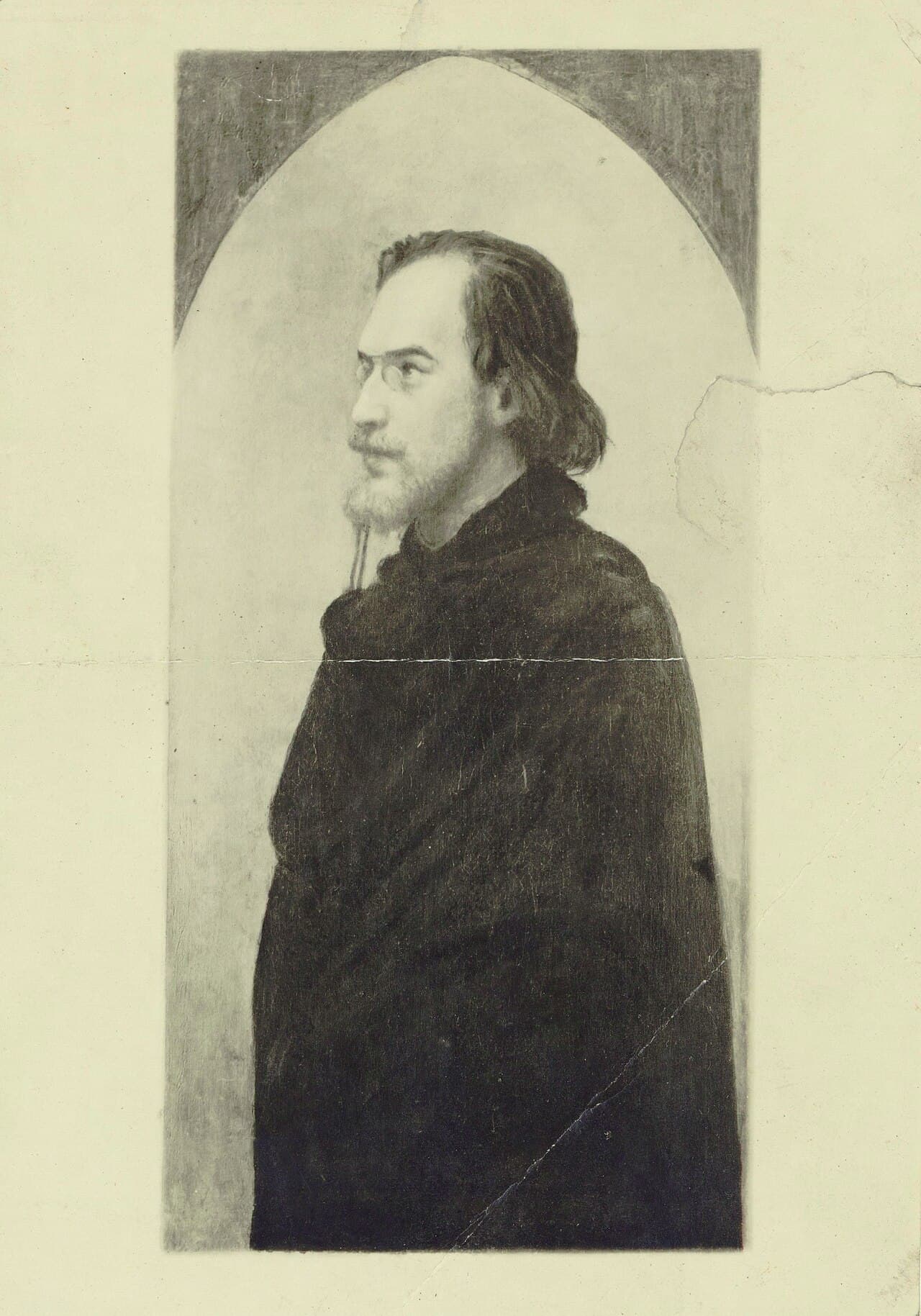
Erik Satie was 22, a Paris Conservatoire dropout described by one teacher as the laziest student in the school, playing piano for drinkers at the Chat Noir cabaret in Montmartre and living in a tiny room he called the closet. There he wrote three short pieces with a mysterious antique title, Gymnopédies, borrowed from an ancient Spartan festival of dancing youths. The first is one of the most recognized piano works on the planet.
What you're listening to
A slow waltz, technically, though nobody would dance to it. The left hand rocks between two soft chords for almost the entire piece, a pendulum that never speeds up. The right hand sings a long, simple line marked by the composer to be played painfully, "douloureux". The harmonies are gently wrong for their era: chords that classical grammar treated as tension, left unresolved, hanging in the air like a question the piece declines to answer.
What makes it special
It removed the engine from music. Western classical music ran on tension and release, effort and reward. Satie unplugged the mechanism: no development, no drama, no destination. What is left is atmosphere, a room you sit in rather than a journey you take. Debussy, his friend and drinking companion, took notes; so, decades later, did Brian Eno, who cited Satie when he invented ambient music. Every chill playlist is downstream of these three chords.
The simplicity is a disguise. Any beginner can read the notes; almost nobody plays it well. With so little happening, everything shows: touch, timing, the weight of each chord. It is the piano's equivalent of walking slowly across an empty stage. Satie's blankness is a spotlight.
The sadness has no story. He marks it painful, yet nothing in it grieves. It is closer to the mood of rain on a free afternoon: melancholy with nothing wrong. Naming that feeling, precisely, wordlessly, twenty years before anyone else, is the achievement. People who have never heard the title recognize the feeling in two bars.
The story behind it
Satie may be art history's most committed eccentric: he owned seven identical grey velvet suits and wore nothing else for a decade, ate only white foods by his own published account, founded a church with exactly one member, and wrote performance instructions like "play like a nightingale with a toothache". After his death, friends entered the closet apartment no one had visited in 27 years and found two grand pianos stacked one on top of the other, and unopened letters. The jokes were armor. The music underneath is completely sincere.
One detail most people miss
The three Gymnopédies are essentially the same piece three times, the same tempo, the same rocking pulse, the melody tilted at different angles, like one statue photographed from three sides. Satie called some of his later work white and empty on purpose. He was not underachieving. He was subtracting, a century before minimalism made subtraction a movement.
How to listen
Once while reading, once while doing something else entirely, which sounds like an insult but is the piece's native habitat: Satie designed music that dignifies the background. If it makes your room feel ten percent softer, it is working exactly as intended.