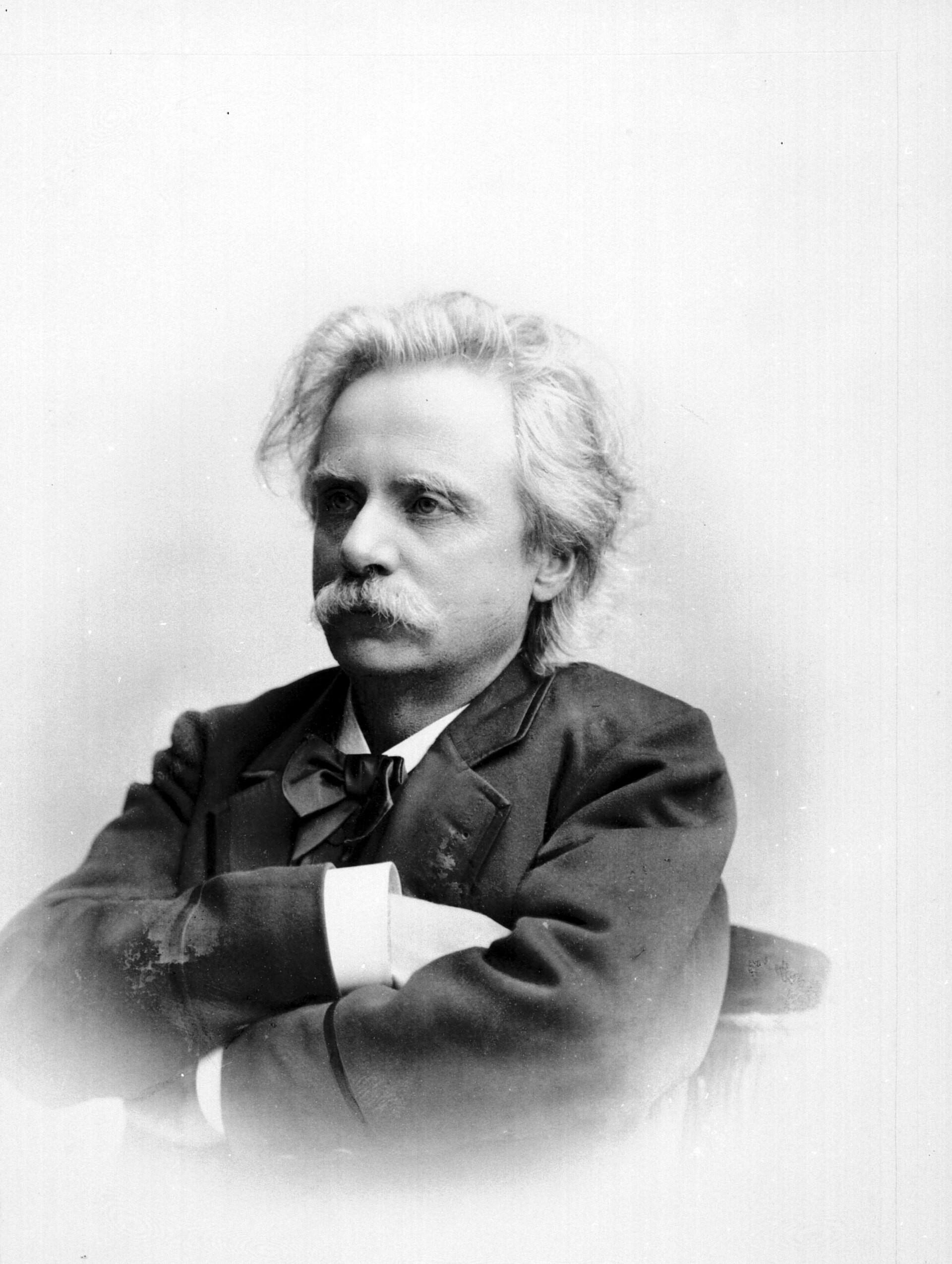
Grieg hated this piece. In August 1874, while writing the music for Henrik Ibsen's play Peer Gynt, he told a friend in a letter that he had composed something for the scene in the hall of the Mountain King that he literally could not bear to listen to, because it reeked of cow dung, exaggerated Norwegian nationalism and trollish self-satisfaction. He added that he hoped the irony would come across.
The irony did not come across. The piece became the most famous two and a half minutes he ever wrote, and arguably the most recognizable piece of Norwegian music in existence. It has been used in horror films, cartoons, car commercials, video games and theme parks. Most people who can hum it have no idea it is about trolls.
What you're listening to
A single tune, about eight bars long, played over and over, more than a dozen times, without a break. It begins as a whisper: cellos and basses plucking the melody, with bassoons grumbling underneath. Each repetition adds instruments, climbs higher, and gets faster. By the middle the violins have taken over and the whole orchestra is stamping on the beat. By the end it is a stampede, the brass blaring, the cymbals crashing, the tempo nearly doubled, until the whole thing collapses in a series of chords like a door slamming. It lasts between two and three minutes depending on how brave the conductor is.
What makes it special
It is the simplest idea in the repertoire, executed perfectly. There is no second theme, no development, no key change worth the name. There is one tune and one instruction: more. Grieg understood that repetition plus acceleration is the basic grammar of a chase, and he built the whole piece as one long crescendo. Film composers have been borrowing the formula ever since.
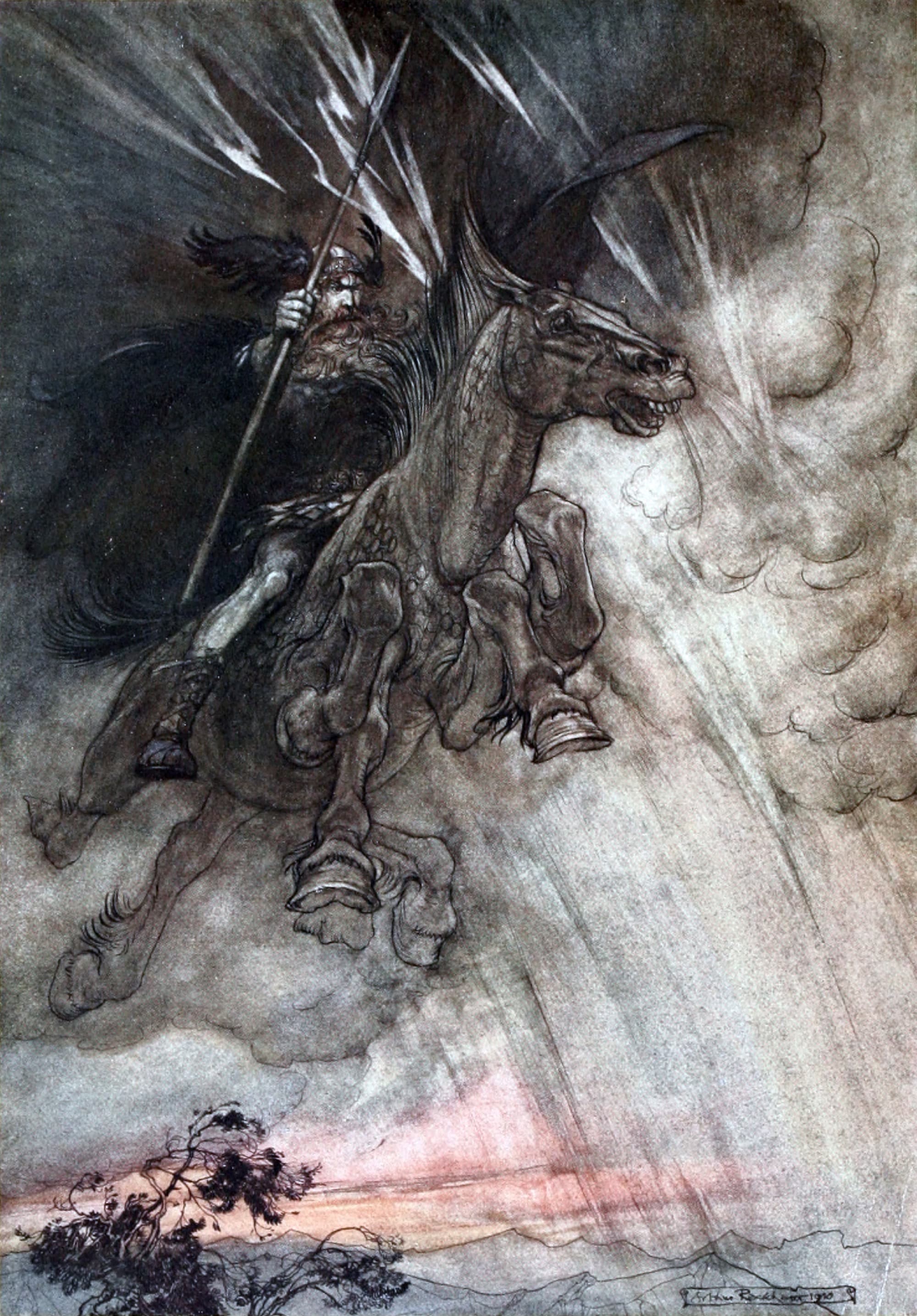
It is music that describes a stage picture. In Ibsen's play, Peer Gynt, a boastful farm boy, has wandered into the mountain hall of the troll king and is being offered the king's daughter. When he hesitates, the trolls turn on him. Grieg's original version has a chorus of trolls shouting "Slay him! The Christian man's son has seduced the Mountain King's fairest daughter!" The music is their footsteps and their growing fury. The orchestral version drops the words but keeps the mob.
The tune is in a mode that sounds ancient. The melody keeps landing on a lowered note that gives it a slightly off, folk-like flavor, closer to Norwegian fiddle tunes than to the polished harmonies Grieg learned at the conservatory in Leipzig. That is the "cow dung" he complained about. It is also exactly why the piece sounds like it comes from under a mountain.
The story behind it
Ibsen asked Grieg to write the incidental music for Peer Gynt in January 1874. Grieg accepted for the money and then struggled for a year and a half with a sprawling, sarcastic verse play that he found almost impossible to set. He finished in 1875, and the play opened in Christiania, now Oslo, on 24 February 1876, running almost five hours with the music. It was a success. The music ran to 26 numbers.
In 1888 Grieg extracted four pieces for a concert suite, Peer Gynt Suite No. 1, and put the Mountain King last, which is where most people have met it ever since. The suite made him famous across Europe, and he spent the rest of his life slightly embarrassed that an evening's work for a stage effect had outrun everything else he wrote. He died in Bergen in 1907, and by then the piece was on barrel organs.
In the twentieth century it escaped the concert hall entirely. In Fritz Lang's film M of 1931, the child murderer played by Peter Lorre whistles it before each crime, one of the first uses of a musical signature for a character in sound film. The Electric Light Orchestra recorded a rock version in 1973. It has turned up in The Social Network trailer, in the animated film Trolls, in countless cartoons and in video games. The piece Grieg could not bear has become shorthand for creeping menace in every language.
One detail most people miss
Listen to the very first bar. Before the melody starts there is a single plucked note in the basses, and the tune enters as pizzicato, strings plucked rather than bowed, so the first repetitions sound like tiptoeing. Grieg marked it pianissimo, as quiet as possible. Most of the drama of the piece depends on how quietly it begins, because the orchestra has only one direction to go. A conductor who starts too loud has nowhere left to climb. Also note the tempo marking: alla marcia, like a march. It is not a run until the orchestra makes it one.
How to listen
The video above is the National Symphony Orchestra under Gianandrea Noseda at the Kennedy Center, a clean, well-filmed performance where you can watch the sections join in one by one. For a wilder historical version, listen to Thomas Beecham with the Royal Philharmonic, recorded in the 1950s with the troll chorus included. Then listen to the whole Suite No. 1, which is only about 15 minutes: Morning Mood, the sunrise tune you also know from cartoons, opens it, and the Mountain King closes it. Grieg would rather you heard the Death of Aase in between, which he was actually proud of.