You already know this music, and there is a good chance you know it from a war film. In Apocalypse Now, a cavalry commander mounts loudspeakers on his helicopters and blasts "Ride of the Valkyries" as they sweep in to attack a village. The scene is so famous that for many people the galloping brass is now permanently fused to the image of helicopter blades and fire.
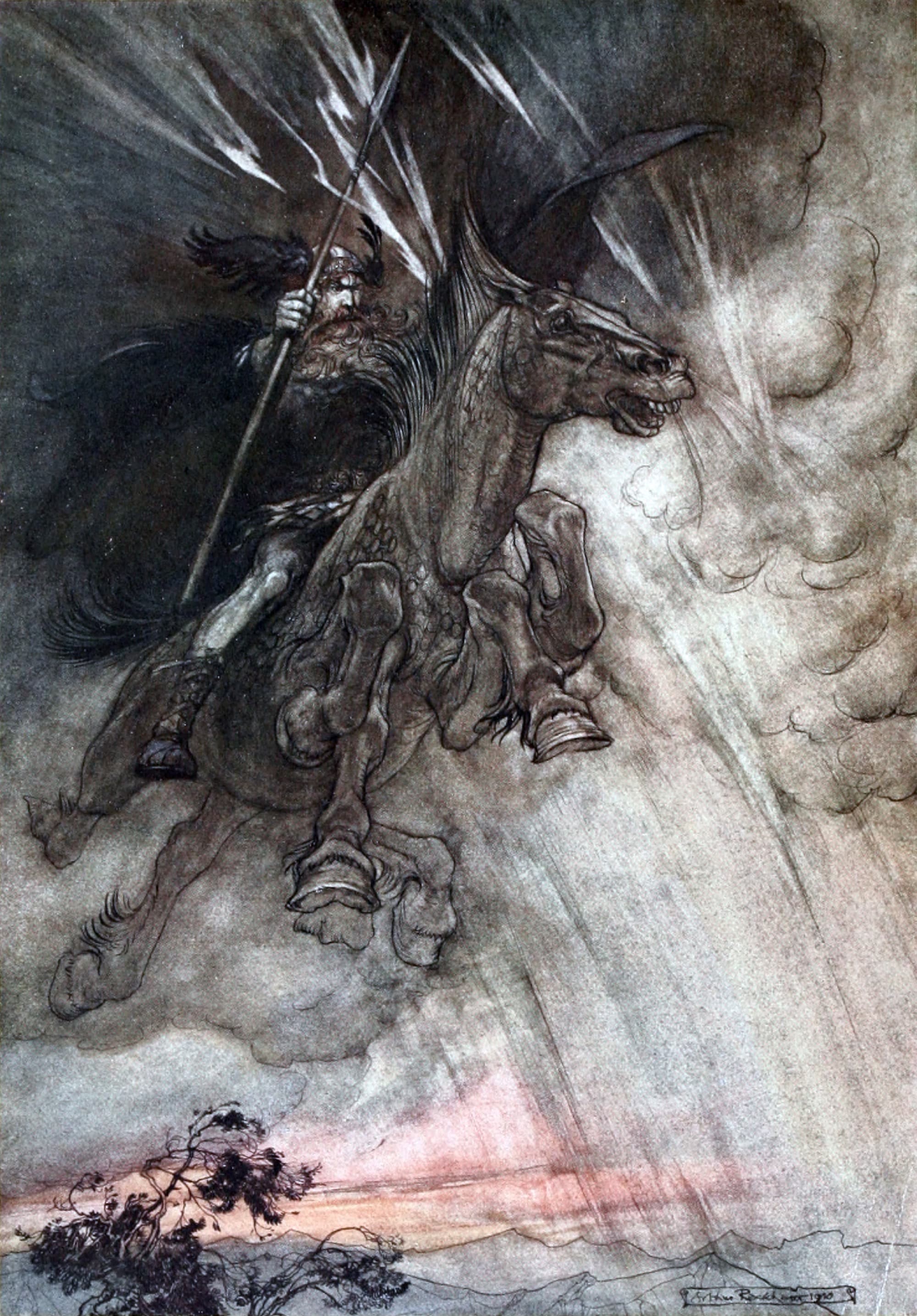
But Wagner did not write it for helicopters. He wrote it for the Valkyries: fierce warrior-women, daughters of a god, who ride through storm clouds on winged horses, swooping down over battlefields to gather up the bodies of slain heroes and carry them to Valhalla, the great hall of the dead. The music is the sound of their wild airborne hunt.
What you're listening to
The opening of the third act of Die Walküre, "The Valkyrie," which is itself the second of four connected operas that make up Wagner's gigantic Ring cycle. As the act begins, the Valkyries are gathering on a rocky mountaintop, calling to one another with their war cry, their winged horses carrying dead warriors through the sky. The orchestra surges and gallops beneath them. Taken out of the opera, this few minutes of music has become one of the most recognizable passages in all of classical music.
What makes it special
It makes the orchestra fly. The famous theme rises and leaps in great galloping bounds, passed between blazing brass and churning strings, so that you can practically feel the rush of wings and wind. It is music built to depict motion through the air, and it does so with such force that it hardly needs the staging.
It is one small piece of a colossal whole. The Ring cycle runs to roughly fifteen hours of music across four operas, telling a sweeping myth of gods, heroes, a cursed ring, and the end of the world. Wagner even had a special opera house built to perform it. The Ride is just a few thrilling minutes near the start of the second evening.
It changed how stories sound. Wagner wove his vast work out of leitmotifs, short themes attached to characters and ideas, recurring and transforming as the story unfolds. This idea, that music can label and follow a character, is the direct ancestor of every modern film score, from the shark in Jaws to the villains of space operas.
The story behind it
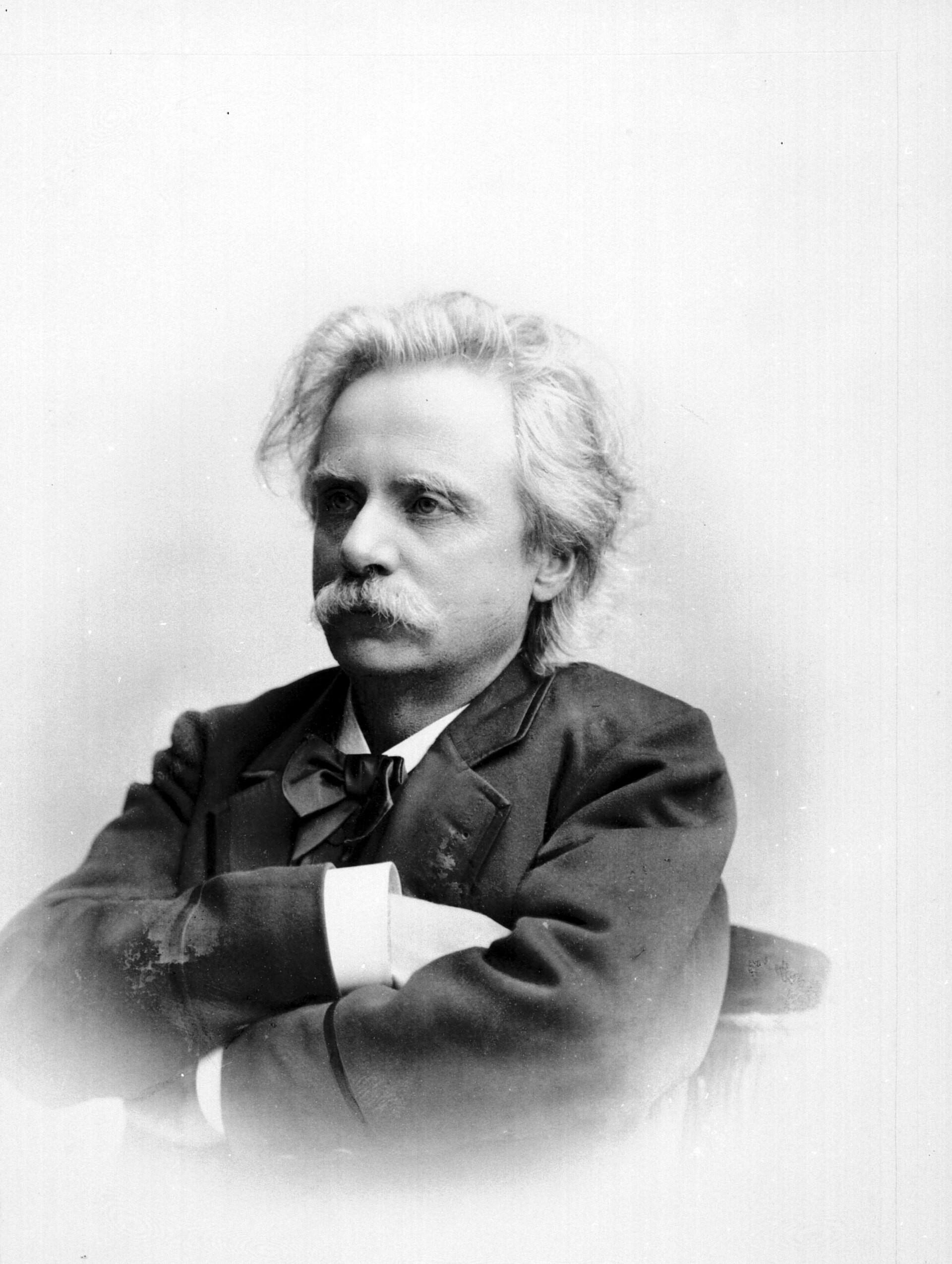
Wagner was a towering, difficult, revolutionary figure who wanted to remake opera into a total artwork uniting music, poetry, and drama. The Ring consumed him for about a quarter of a century. He was also a deeply controversial man, with poisonous antisemitic views that later made him a favorite of the Nazis, a shadow that still hangs over how his music is received, especially in some communities. The art and the man are tangled in a way listeners have wrestled with ever since.
One detail most people miss
Wagner was not entirely happy about the Ride becoming a pop hit. He grumbled about the piece being hauled out of its dramatic context and played on its own at concerts, stripped of the story it was written to serve. He wanted his music experienced inside the enormous, unfolding myth, not as a standalone showstopper. He lost that argument completely. Today most people who adore those galloping few minutes have no idea they come from a fifteen-hour epic about the twilight of the gods.
How to listen
Press play above for a thrilling orchestral performance of the Ride. Then, if it grabs you, seek out the actual opening of Act 3 of Die Walküre, where the Valkyries' voices ring out over the same music with their cry of "Hojotoho." And if you ever have fifteen hours and a sense of adventure, the whole Ring cycle is one of the monumental experiences in Western art, with this wild ride waiting near the beginning.