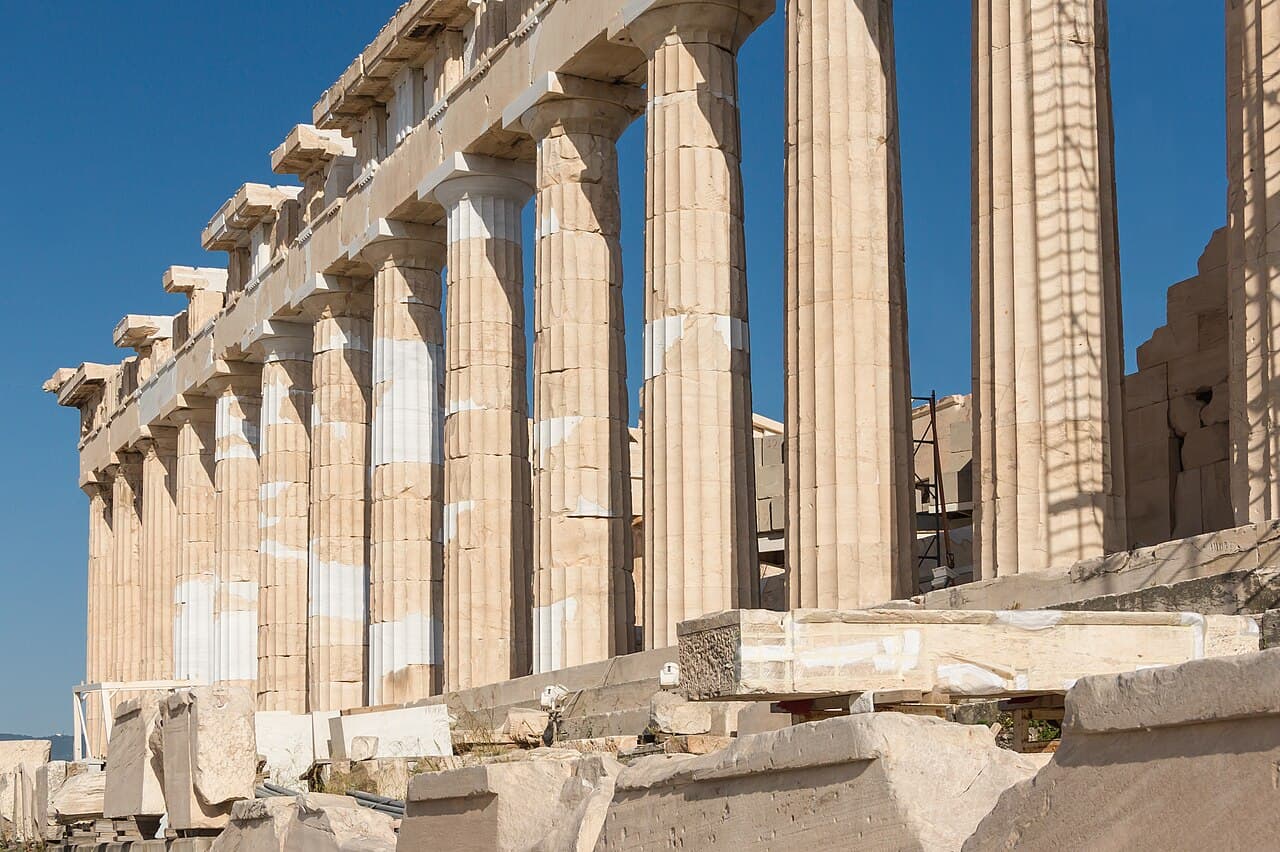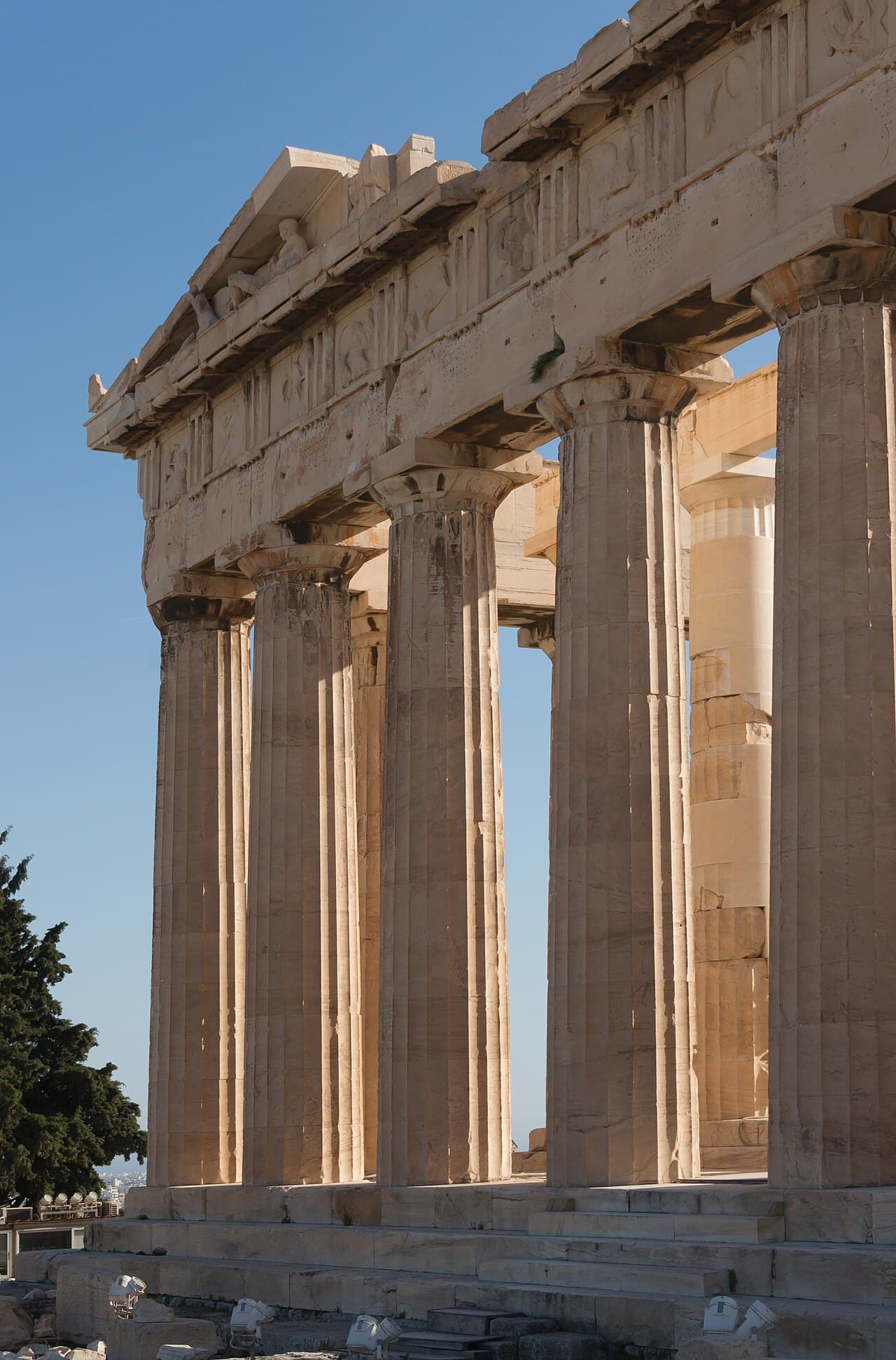
Measure the Parthenon and you will find almost nothing straight. The floor of the temple rises about 11 centimeters in the middle, like a very shallow dome. All the outer columns lean slightly inward; the corner ones are thicker than the rest. Every column swells gently a third of the way up. There are dozens of these deliberate distortions, each calculated, each expensive to build - and all of them exist for one reason: seen from a human eye's height, dead-straight lines look wrong.
A long flat platform appears to sag in the middle. Perfect cylinders look pinched. Vertical columns against an open sky seem to lean outward. The builders of the Parthenon knew all of this 2,400 years ago, and instead of building a straight building that would look bent, they built a bent building that looks straight.
What you're looking at
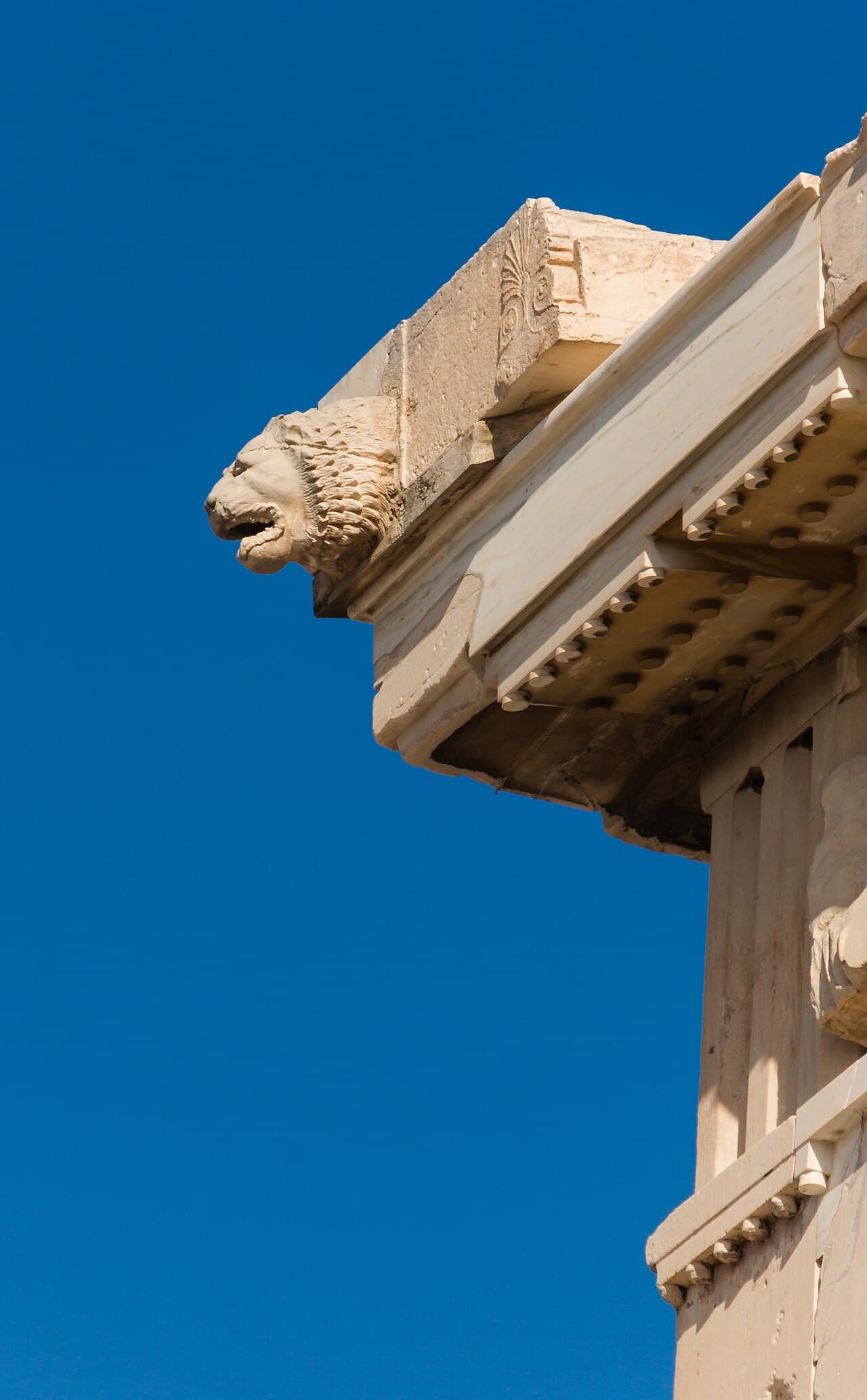
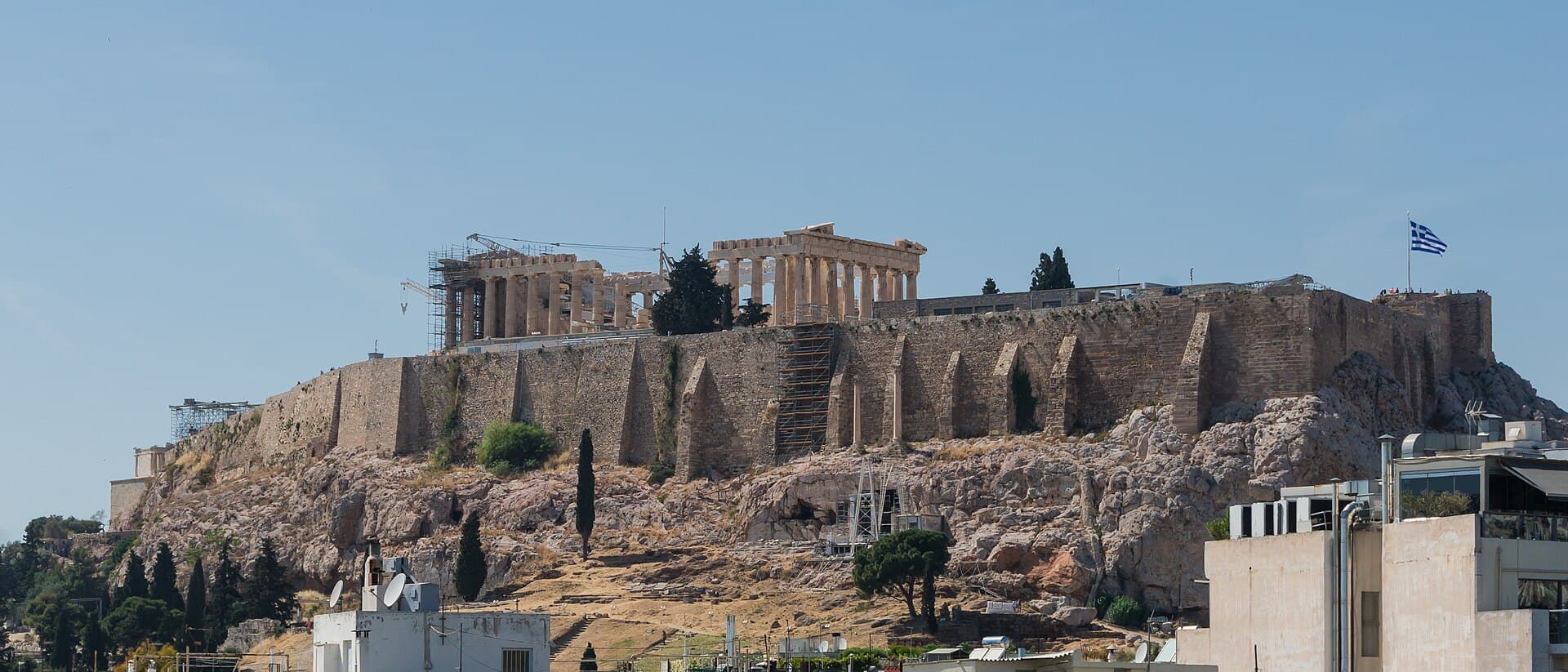
A temple to Athena, goddess of wisdom and patron of Athens, built on the Acropolis - the sacred rock above the city - between 447 and 432 BC. Seventeen columns down each side, eight across each end, in gleaming marble from Mount Pentelikon, 16 kilometers away; some 100,000 tons of it were quarried, hauled, and carved with hand tools in about fifteen years. The temple once held a 12-meter statue of Athena in gold and ivory, and it was painted - blues, reds, gold - not the bare white we have been trained to admire.
What makes it special
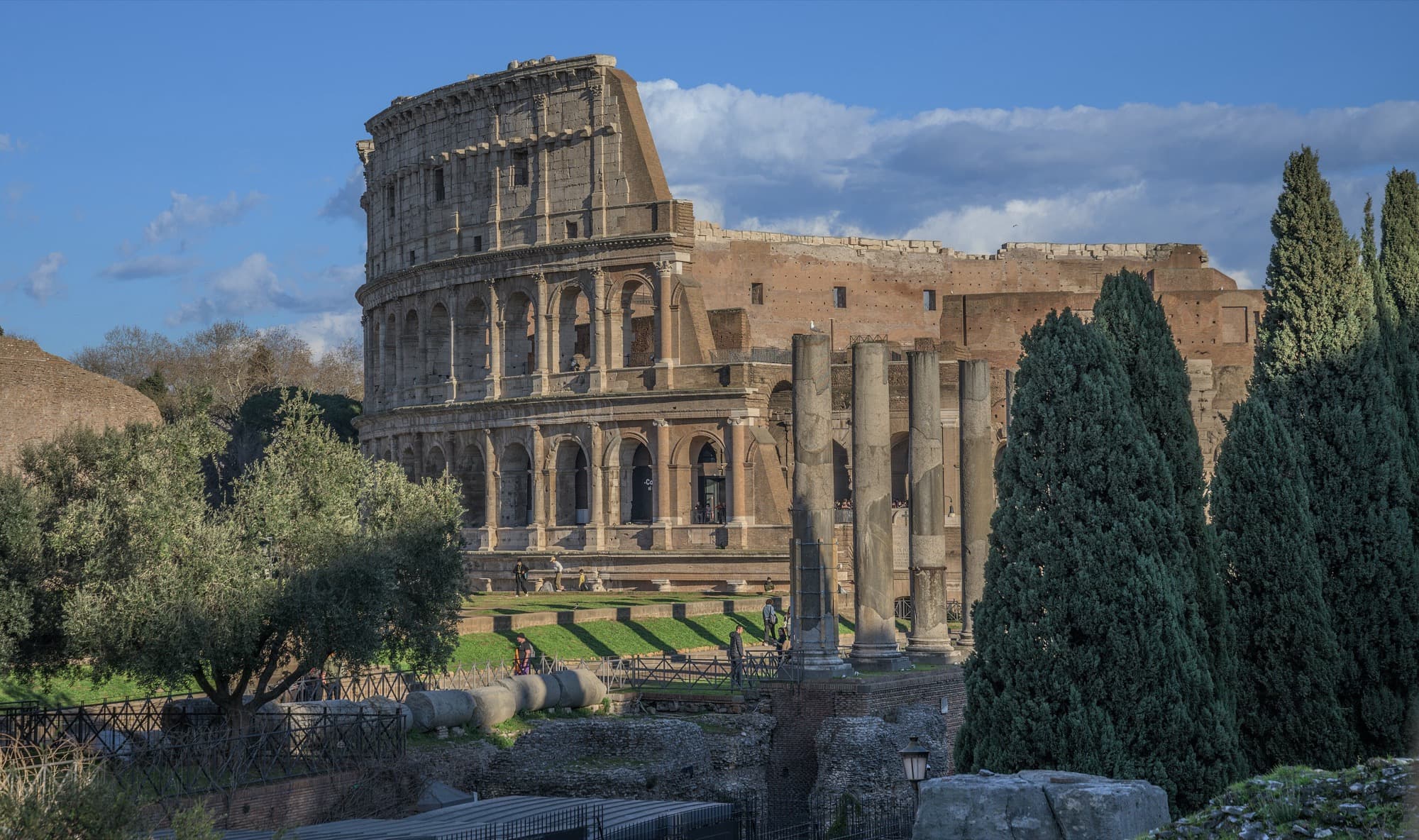
It is the most influential building in history. Count the columns on courthouses, museums, banks, parliaments, and universities on five continents: they are all quoting this one temple. When architects want a building to say "civilization," they still reach, twenty-four centuries later, for the Parthenon's vocabulary.
The refinements were a monstrous engineering cost. Because the floor curves, every single block above it had to be cut at its own unique, slightly trapezoidal shape - almost nothing is interchangeable. The builders chose the harder path for a purely visual dividend. It is perhaps history's largest budget ever approved for an optical illusion.
It was built astonishingly fast. Great Gothic cathedrals took a century or more. The Parthenon's structure went up in nine years, the decoration in six more - with bronze tools, ropes, wooden cranes, and oxen. Modern engineers who studied the marble joints, ground to a precision of fractions of a millimeter, still debate exactly how the crews managed the pace.
The story behind it
The Parthenon was born from catastrophe. In 480 BC the Persians sacked Athens and burned the temples on the Acropolis. For a generation, Athenians left the ruins as a war memorial. Then Pericles, at the height of Athenian power, launched the greatest public works program of the ancient world - funded, controversially, from the treasury of the defense league Athens led. Allies paying for Athens's marble caused exactly the resentment you would expect. The architects were Iktinos and Kallikrates, and the sculptor Phidias oversaw the art.
The building's later biography is a history of the Mediterranean in one structure: temple to Athena for nearly a thousand years, then a church, then a mosque under Ottoman rule. In 1687 came the wound. During a Venetian siege, the Ottomans used the Parthenon as a gunpowder store; a Venetian mortar shell found it, and the explosion blew out the building's heart. What survived the blast met the 19th century: between 1801 and 1812, agents of Lord Elgin removed around half the surviving sculptures, which sit today in the British Museum - the subject of one of the world's longest-running restitution disputes, with Greece's purpose-built Acropolis Museum keeping empty spaces ready.
One detail most people miss
Look at the columns in the photograph and try to see the lean. You cannot - that is the point. But here is the number: if you extended all the outer columns upward, following their inward tilt, they would meet about 2.4 kilometers above the temple, forming an invisible pyramid over Athens. The most famous building of the rational Greeks is, secretly, a cone.
Where to see it
The Acropolis, Athens - go at opening (8 AM) or in the last hour, when the marble goes honey-colored; midday is a furnace with queues. Then walk downhill to the Acropolis Museum, where the surviving frieze is mounted at eye level around a concrete core with the Parthenon visible through the glass wall. The building and its argument, in one view.